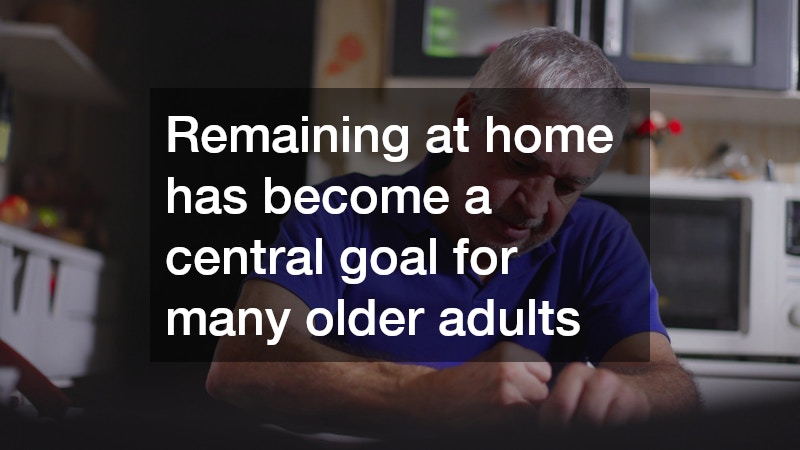
As populations age across the globe, families are facing important decisions about how to best support their loved ones in their later years. Traditional options like nursing homes and assisted living facilities still serve a purpose, but more seniors are expressing a strong desire to remain in the comfort of their own homes. This shift in preference, combined with advances in healthcare and technology, is driving rapid growth in home care services. Today, home-based support is not just an alternative — it is becoming the preferred model of senior care for families who value independence, dignity, and personalized attention.
Personalized Care That Promotes Independence
One of the primary reasons home-based care is gaining popularity is its deeply personalized nature. Unlike institutional settings, where staff members divide attention among many residents, caregivers in home care services focus on the unique needs of one individual at a time. Care plans are tailored to match each senior’s health conditions, preferences, routines, and personality.
This individualized approach helps seniors maintain a sense of control over their daily lives. They can wake up at their preferred time, eat meals they enjoy, and continue participating in hobbies or community activities. Maintaining these routines supports emotional well-being and reinforces a sense of identity, which is especially important for aging adults.
In addition, home care can be customized based on the level of support required. Some seniors may need only a few hours of companionship or assistance with housekeeping each week, while others may require daily help with bathing, dressing, medication reminders, or mobility. The flexibility of scheduling ensures families pay only for the care that is truly needed.
By allowing seniors to age in place, home-based support also reduces the emotional stress that often accompanies relocation. Moving to a facility can feel overwhelming and disorienting. Remaining at home preserves comfort, familiarity, and connection to neighbors and the local community — factors that significantly enhance mental health.
Cost-Effective and Flexible Support Solutions
Another major reason why home care services represent the future of senior support is their cost-effectiveness and adaptability. Long-term residential facilities often come with high monthly fees that include room, board, and round-the-clock staffing. For families who do not require 24/7 supervision, this can mean paying for services that are not fully utilized.
In contrast, in-home care offers scalable support. Families can adjust the number of hours and type of assistance as needs evolve. If a senior recovers from surgery and only needs temporary support, services can be reduced once independence returns. If a chronic condition progresses, care hours can be increased accordingly. This flexibility makes budgeting more manageable and avoids the financial strain associated with permanent institutional care.
Technology is further enhancing the efficiency of home care. Remote monitoring systems, medication management apps, and virtual health consultations allow caregivers and healthcare providers to track vital signs and respond quickly to potential concerns. These innovations reduce unnecessary hospital visits while ensuring seniors receive timely interventions.
Moreover, insurance providers and healthcare systems increasingly recognize the value of preventative, in-home support. By helping seniors manage conditions proactively, home-based care reduces hospital readmissions and emergency room visits — outcomes that benefit both families and the broader healthcare infrastructure.
Enhancing Emotional Well-Being and Family Involvement
Senior support extends far beyond physical health. Emotional well-being plays a critical role in overall quality of life, and this is where home care services truly stand out. Aging at home enables seniors to remain surrounded by cherished memories, personal belongings, and a familiar environment. This sense of continuity can reduce anxiety, depression, and feelings of isolation.
Companionship is another powerful benefit. Professional caregivers not only assist with daily tasks but also provide meaningful social interaction. Whether sharing a meal, taking a walk, or engaging in conversation, this one-on-one attention combats loneliness — a growing concern among aging populations.
Family members also benefit from the structure and reassurance that home care services provide. Adult children often juggle careers, parenting, and other responsibilities while trying to care for aging parents. Professional support alleviates caregiver burnout and ensures seniors receive consistent, high-quality attention even when family members cannot be present.
Importantly, in-home support fosters collaboration rather than separation. Families remain actively involved in care decisions and daily routines. They can visit freely, participate in activities, and maintain close relationships without the restrictions that sometimes accompany facility-based care. This partnership strengthens trust and creates a supportive network centered around the senior’s well-being.
The future of senior support is shifting toward models that emphasize personalization, flexibility, and dignity. As people live longer and prioritize quality of life, remaining at home has become a central goal for many older adults. Home care services provide a practical and compassionate solution, blending professional expertise with the comfort of familiar surroundings.
As demographics continue to change and expectations around aging evolve, it is clear that home-based care is not merely a trend — it is the future. Through thoughtful innovation and a commitment to individualized support, home care services are redefining how society cares for its aging population.