A backyard should feel like an extension of your home rather than an afterthought. It is often the most underutilized part of a property, yet it holds incredible potential for relaxation, entertainment, and everyday living. Whether you envision a quiet retreat for reading, a gathering space for family and friends, or a highly organized outdoor work and garden area, thoughtful planning can completely transform how you use the space.
Creating a more functional outdoor environment requires more than adding a few chairs or planting flowers. It involves considering layout, accessibility, privacy, lighting, structural elements, and long-term durability. From improving the way your home connects to the yard to enhancing comfort, security, and storage, every decision should serve a purpose.
This guide explores practical, strategic ways of upgrading your backyard so it becomes a space that works for your lifestyle year-round. By focusing on well-planned enhancements and collaborating with the right professionals, you can build an outdoor environment that is not only beautiful but also efficient, comfortable, and adaptable.
Enhancing Accessibility and Flow From the Home
One of the most important elements of upgrading your backyard is improving how easily you can move between your indoor and outdoor spaces. If stepping into your yard feels inconvenient or cramped, you are less likely to use it regularly. Accessibility begins at the back of your home, where thoughtful transitions create a seamless extension of your living area.
Homeowners often invest in sliding glass door installations to improve both visibility and functionality. Larger glass openings allow more natural light into the home while making it easier to carry food, furniture, or gardening supplies outside. These installations also visually expand interior rooms, making the yard feel like a continuation of the main living space rather than a separate area. Beyond doors, consider pathway placement and surface materials. Clear, well-defined walkways from entry points to seating areas, gardens, or sheds reduce foot traffic damage to grass and prevent muddy spots. Materials such as pavers, natural stone, or textured concrete provide durability while complementing the home’s architectural style.
Layout is equally important. Position high-traffic areas close to the home to reduce unnecessary movement across the yard. Outdoor kitchens, dining tables, or lounge zones should be easily accessible from interior spaces. If your yard includes multiple functional zones, ensure they connect logically, allowing movement without obstacles or awkward turns. Lighting also plays a role in accessibility. Installing low-profile pathway lights or recessed deck lighting increases safety after dark and extends usability into the evening. Proper illumination ensures guests can move comfortably without tripping hazards.
When upgrading your backyard with accessibility in mind, think about everyday convenience. Small adjustments—like widening entry points or eliminating uneven steps—can dramatically improve how often you use and enjoy the space.
Designing a Multi-Purpose Patio Area
A patio often serves as the foundation of a functional backyard. It anchors the space and provides a durable surface for furniture, dining, and entertainment. However, creating a patio that truly enhances daily life requires strategic design rather than simply pouring concrete or placing pavers.
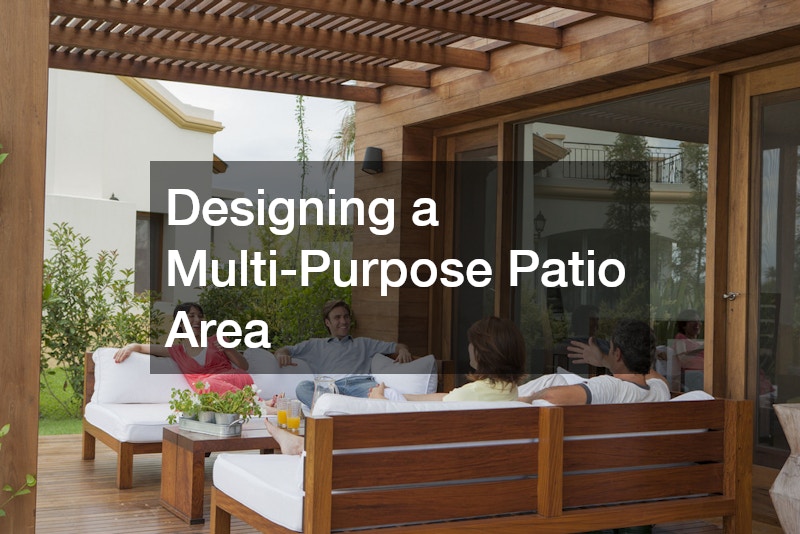
Incorporating a patio room can significantly increase versatility. Unlike an open slab, a patio room offers partial enclosure, protection from weather, and a sense of structure. It allows homeowners to enjoy fresh air without being exposed to direct sun or rain. This type of addition can function as an outdoor dining area, reading nook, or even a secondary living room. When upgrading your backyard with a patio design, consider zoning. Divide the space into functional sections such as dining, lounging, and cooking. This prevents overcrowding and makes each area feel intentional. Use outdoor rugs, furniture placement, or planters to define these zones visually.
Material selection also affects performance. Choose surfaces that resist moisture, fading, and temperature fluctuations. Textured finishes help reduce slipping hazards, while neutral tones maintain visual flexibility if you decide to refresh furniture or décor later. Shade structures are essential for comfort. Pergolas, retractable awnings, or fixed roof extensions provide relief during hot weather. Pairing shade with ceiling fans can create a breezy atmosphere even during warmer months.
Furniture should be selected with durability in mind. Weather-resistant frames and cushions designed for outdoor use ensure long-term performance. Storage benches or built-in seating with concealed compartments can increase organization without sacrificing style. By focusing on thoughtful layout and protective elements, upgrading your backyard patio becomes an investment in daily comfort and long-term functionality.
Improving Landscaping for Structure and Balance
A well-designed landscape provides more than visual appeal; it creates organization and usability. Without structure, even large yards can feel chaotic or underwhelming. Working with local landscaper businesses allows homeowners to develop a cohesive plan that balances aesthetics with practical use.
Landscaping can define boundaries between entertainment areas, play spaces, and garden zones. Hedges, ornamental grasses, and layered plant beds create natural partitions without the rigidity of hard barriers. Strategic planting can also guide foot traffic and frame focal points such as fire pits or water features. When upgrading your backyard, consider plant selection carefully. Choose species suited to your climate and soil conditions to reduce maintenance demands. Native plants often require less water and are more resilient to local weather patterns.
Tree placement deserves special attention. Trees provide shade, privacy, and visual height variation, but they must be positioned strategically to avoid interfering with foundations, fencing, or underground utilities. Professional guidance ensures proper spacing and long-term growth planning. Irrigation systems contribute to functionality by automating watering schedules and reducing manual labor. Drip systems, in particular, conserve water while delivering consistent moisture to plant roots.
Mulch and ground cover serve practical purposes beyond appearance. They suppress weeds, retain soil moisture, and improve overall soil health. Pathway borders made from stone or edging materials help maintain clean lines between lawn and garden beds. By integrating landscaping into your broader plan for upgrading your backyard, you create a structured environment that feels intentional and manageable rather than overwhelming.

Establishing Clear Property Boundaries
Privacy and security are key considerations when improving outdoor living spaces. Clearly defined property lines not only prevent disputes but also provide peace of mind. Consulting a local surveyor can confirm accurate boundaries before installing permanent structures.
Fencing plays a crucial role in creating enclosure and comfort. Collaborating with local fence contractors ensures proper installation, compliance with regulations, and material durability. Whether choosing wood, vinyl, or metal, fencing should complement the home’s design while meeting privacy needs.
When upgrading your backyard with boundary solutions, consider height, maintenance requirements, and wind resistance. Taller fences offer increased privacy, but local ordinances may limit height in certain areas. Durable materials reduce long-term upkeep. Fencing can also support additional features such as climbing plants or integrated lighting. Trellises and decorative panels add character while reinforcing the enclosure.
Gates should be positioned conveniently without obstructing flow. Self-closing hinges and secure latches enhance safety, especially for households with children or pets. Clear boundaries create a sense of ownership and comfort, allowing homeowners to fully enjoy outdoor improvements without concerns about encroachment or exposure.
Upgrading Utilities and Infrastructure
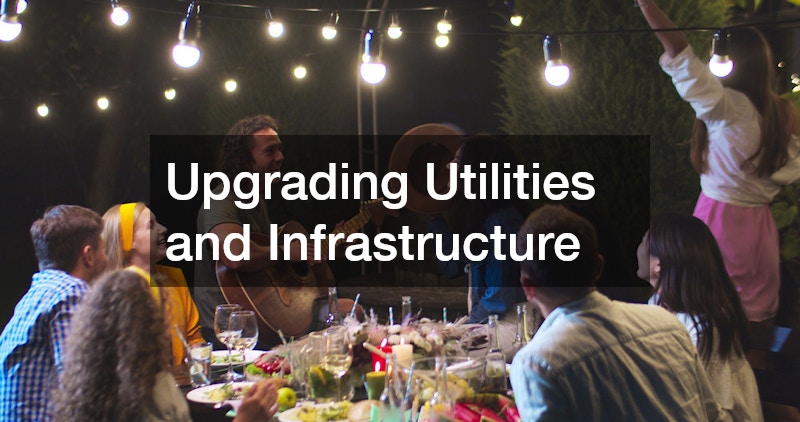
Functional backyards often require upgraded utilities. Installing lighting, outlets, irrigation systems, or even outdoor kitchen connections may involve coordination with electrical contractors to ensure safety, code compliance, and proper load distribution. Outdoor electrical work must be weather-rated and grounded correctly to prevent hazards, especially in areas exposed to moisture. Thoughtful placement of outlets and switches can dramatically improve convenience, eliminating the need for extension cords and temporary solutions.
Certain improvements, such as installing new pathways, drainage systems, or water lines, may require pavement cutting to access underground utilities. Professional handling minimizes damage and ensures proper restoration once the work is complete. Precision cutting also prevents cracking or weakening surrounding surfaces, which is essential for maintaining structural integrity. Whether modifying an existing patio or rerouting drainage away from the home’s foundation, these adjustments must be executed carefully to avoid long-term complications.
When upgrading your backyard, think long-term. Installing conduit for future lighting, security systems, irrigation expansions, or outdoor audio systems prevents costly disruptions later. Even if certain features are not part of the current budget, preparing the infrastructure in advance can save significant time and expense in the future. Planning improves efficiency and adaptability, allowing the space to evolve with changing needs.
Water management is another critical component of infrastructure. Proper grading, drainage channels, and gutter extensions prevent pooling that could damage landscaping or structural elements. Additionally, considering gas lines for fire pits or outdoor kitchens during the planning phase ensures safe and streamlined installation. Infrastructure improvements may not be immediately visible, but they form the foundation of a truly functional space. Without reliable utilities and well-planned systems beneath the surface, even the most beautiful backyard upgrades can fall short in performance and longevity.
Creating Dedicated Gardening and Growth Areas
For homeowners interested in food production or hobby gardening, designated growing areas add both purpose and sustainability. Working with experienced greenhouse builders allows for year-round cultivation and plant protection, especially in regions with fluctuating temperatures or shorter growing seasons. A professionally designed structure can also incorporate ventilation panels, automated watering systems, and durable framing materials that withstand wind and moisture.
A greenhouse extends growing seasons and shields delicate plants from extreme weather. It creates a controlled environment where vegetables, herbs, and flowering plants can thrive regardless of outdoor conditions. Raised beds, compost systems, vertical planters, and nearby storage sheds improve organization and efficiency while reducing strain during planting and harvesting. Clearly defined work areas help keep tools accessible and soil contained.
When upgrading your backyard to support gardening, consider sunlight patterns, water access, soil quality, and ventilation. Proper placement maximizes productivity while minimizing maintenance challenges. Positioning growing areas near a water source simplifies irrigation, while thoughtful orientation toward the sun ensures consistent light exposure throughout the day.
Maintaining Flexibility for Future Needs
A functional backyard should evolve with your lifestyle. Children grow, entertaining styles change, and personal interests shift over time. Designing with adaptability in mind ensures your investment remains valuable.
When upgrading your backyard, leave room for modular furniture, movable planters, and flexible layouts. Avoid overbuilding permanent elements that limit future adjustments. Choose neutral design foundations so decorative accents can change seasonally or stylistically. Durable materials reduce replacement frequency and maintenance costs. Regular upkeep protects your improvements. Cleaning surfaces, trimming landscaping, and inspecting structures preserve functionality. By viewing upgrading your backyard as an ongoing process rather than a one-time project, you create a space that continues to serve your needs for years to come.
Thoughtful planning, strategic collaboration, and careful material selection all contribute to transforming an underused yard into a highly functional outdoor extension of your home. With deliberate upgrades and attention to both structure and flexibility, your backyard can become one of the most valuable and enjoyable areas of your property.