Modern life asks women to make dozens of meaningful decisions at the same time. Health needs, family responsibilities, housing choices, career goals, and financial planning often compete for attention, creating mental overload and decision fatigue. When everything feels urgent, it becomes harder to distinguish between what truly matters now and what can wait. Simplifying major life decisions does not mean ignoring responsibilities; it means organizing them in a way that restores clarity and control. By approaching life through a structured framework that connects health, home, and finances, women can reduce stress while making smarter, more confident choices.
Organization is not about perfection or rigid schedules. It is about understanding how different areas of life influence one another. Health affects energy, focus, and long-term stability. Home environments shape routines, comfort, and family dynamics. Financial decisions support freedom, security, and opportunity. When these priorities are aligned, choices become easier because they are guided by purpose rather than pressure. A thoughtful system allows women to evaluate options calmly, avoid unnecessary urgency, and plan proactively instead of reactively.
This guide explores practical ways women can simplify life decisions by organizing these three foundational areas. Each section focuses on a specific type of choice many women face, showing how intentional planning reduces overwhelm. By breaking complex decisions into manageable categories, women can create a sustainable rhythm for life planning that supports both immediate needs and long-term goals.
Creating Financial Clarity Through Purposeful Asset Decisions
The first step in simplifying major life decisions is understanding personal finances beyond monthly expenses. Many women hold value in assets they rarely think about, such as inherited items, unused valuables, or long-held personal collections. Evaluating these assets can unlock opportunities to reduce debt, fund goals, or build emergency reserves. When financial clarity improves, stress decreases, and other life decisions feel less risky.
For example, evaluating sentimental items does not mean dismissing emotional value, but rather weighing practical considerations thoughtfully. Some women choose to work with a local gold buyer when they are ready to turn unused or inherited gold into liquid resources. This decision often accompanies life transitions such as downsizing, relocating, or funding education or health needs. When handled intentionally, asset evaluation becomes empowering rather than emotional.
Organizing financial priorities also means identifying trusted professionals and understanding market timing. Women who take time to assess assets, research options, and clarify goals often feel more confident making related decisions about housing, health care, or family needs. Financial clarity provides flexibility, allowing women to respond to life changes with preparation instead of panic. By periodically reviewing assets and aligning them with current priorities, women create a strong financial foundation that supports all other decisions.
Designing a Home That Supports Daily Life and Long-Term Goals
Home choices influence daily routines, emotional well-being, and long-term financial stability. Whether renovating, relocating, or simply reorganizing, women benefit from viewing home decisions as part of a larger life strategy rather than isolated projects. A supportive home environment reduces friction, saves time, and enhances quality of life.
Renovation decisions, for example, are often driven by immediate needs but should also consider durability and lifestyle alignment. Selecting materials like quartz countertops is often less about aesthetics alone and more about longevity, maintenance, and functionality. Thoughtful home upgrades can reduce future stress, simplify upkeep, and support evolving family needs. When home improvements are chosen strategically, they become tools for stability rather than sources of disruption.
Organizing home priorities also involves understanding how space affects behavior. Cluttered or inefficient layouts can contribute to mental fatigue, while intentional design promotes calm and productivity. Women who approach home decisions with clarity often find it easier to balance work, family, and personal care. By aligning home environments with current and future goals, women transform their living spaces into foundations that support confident decision-making across all areas of life.
Making Confident Choices About Personal Valuables and Identity
Personal items often hold deep emotional significance, making decisions around them especially complex. Jewelry, heirlooms, and keepsakes can represent milestones, relationships, and identity. However, there are times when reevaluating these items aligns with broader life priorities, such as simplifying finances or transitioning into a new phase of life.
Working with a jewelry buyer can be part of an intentional strategy rather than a reactive decision. For some women, selling unused or inherited pieces supports financial goals like funding education, starting a business, or investing in wellness. When approached thoughtfully, this process honors the past while making room for future growth.
Simplifying decisions around personal valuables also involves understanding personal values. Women who define what truly matters to them feel less guilt and more clarity when making changes. This mindset shift transforms potentially emotional decisions into purposeful actions. By aligning personal belongings with current goals, women reduce clutter, gain financial flexibility, and reinforce a sense of agency. These choices, when made with intention, strengthen confidence and simplify broader life planning.
Supporting Wellness Through Social and Lifestyle Balance
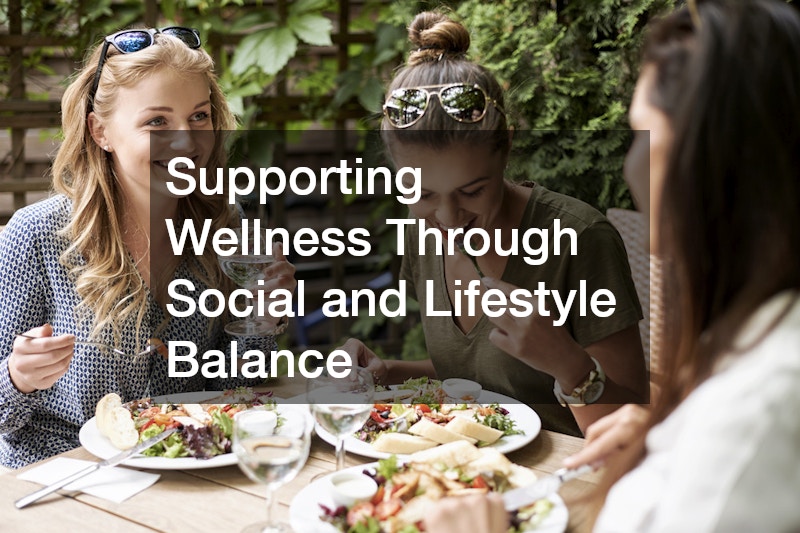
Health decisions extend beyond medical appointments; they include how women nourish relationships, manage stress, and create moments of joy. Social routines play a significant role in emotional wellness, especially during busy or transitional periods. Thoughtful lifestyle choices help women maintain balance without adding pressure.
Simple habits like scheduling intentional social time can restore energy and perspective. Choosing a familiar restaurant for meaningful conversations or quiet reflection can become part of a self-care routine rather than an indulgence. These moments allow women to step back from daily demands and reconnect with their priorities.
Organizing wellness through lifestyle balance also means recognizing the value of rest and connection. Women who intentionally plan social engagement alongside responsibilities often feel more grounded and resilient. Rather than viewing wellness as another task, integrating enjoyable routines into daily life creates sustainability. By aligning social habits with health priorities, women reduce burnout and make clearer decisions in other areas, from family planning to career growth.
Addressing Health Challenges With Structure and Support
Health challenges can disrupt every aspect of life, making organization even more critical. When facing serious health decisions, clarity, support, and planning become essential tools. Women who approach health challenges with structure are better equipped to manage emotional stress and logistical demands.
Recovery-focused decisions, such as exploring detox rehab options, often coincide with broader life reassessment. These moments require courage and organization, as they impact work, family, and finances. Planning support systems, schedules, and follow-up care helps reduce uncertainty and promotes long-term success.
Organizing health priorities during challenging times also strengthens decision-making confidence. Women who document goals, identify resources, and communicate needs clearly often experience smoother transitions and stronger outcomes. Health-focused organization is not about control but about creating stability during uncertainty. By treating health decisions as central rather than disruptive, women build resilience and simplify future choices.
Navigating Aesthetic and Self-Care Decisions With Confidence

Self-care and aesthetic decisions are deeply personal and often misunderstood as superficial. In reality, they can significantly impact confidence, emotional well-being, and self-perception. Women benefit from approaching these choices with the same intentionality as other life decisions.
Advanced aesthetic options, such as pdo face lifting thread needle treatments, require research, timing, and alignment with personal goals. Women who organize these decisions carefully feel more empowered and less pressured by trends or external expectations. Thoughtful planning ensures choices are based on individual comfort and long-term satisfaction.
Organizing self-care decisions also means balancing desire with practicality. When women integrate aesthetic care into a broader wellness plan, it becomes supportive rather than stressful. Clear priorities help avoid impulsive decisions and promote confidence. By viewing self-care as part of holistic life organization, women make choices that enhance well-being without adding complexity.
Making Informed Decisions About Living Environments
Housing choices shape daily life, financial stability, and emotional comfort. Whether choosing to rent, buy, or relocate, women benefit from approaching housing decisions strategically. Living environments should support lifestyle needs rather than create additional strain.
For some women, moving into luxury apartments aligns with career growth, simplified maintenance, or lifestyle flexibility. These decisions often reflect a desire for convenience, security, and access to amenities that support busy schedules. When evaluated carefully, housing choices can reduce daily stress and free mental space for other priorities.
Organizing housing decisions involves understanding trade-offs, timelines, and financial implications. Women who clarify what they need from their living environment make faster, more confident choices. Housing becomes a supportive foundation rather than a source of uncertainty. Thoughtful evaluation ensures living spaces align with both current needs and future plans.
Planning Career and Skill Development Strategically
Career decisions influence financial stability, self-esteem, and long-term fulfillment. Women who approach career development with organization gain clarity and momentum. Education and skill-building should align with lifestyle goals and personal values.
Enrolling in a local cosmetology program, for example, may represent a career pivot, creative pursuit, or entrepreneurial goal. These decisions require planning around time, finances, and family responsibilities. Women who map these factors in advance experience smoother transitions and stronger outcomes.
Organizing career development also means setting realistic timelines and benchmarks. Clear planning reduces anxiety and helps women stay focused during challenging phases. By treating education and skill growth as structured investments rather than leaps of faith, women simplify decision-making and build confidence in their professional journeys.
Balancing Family Responsibilities With Personal Goals
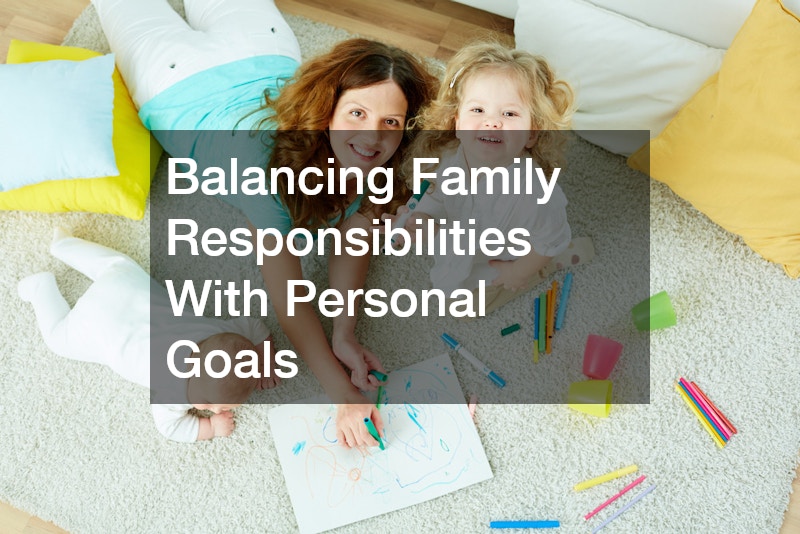
Family responsibilities add layers of complexity to life planning. Women often juggle caregiving, work, and personal growth simultaneously. Organization becomes essential to avoid burnout and resentment.
Choosing reliable childcare centers is a significant decision that affects daily routines and long-term family stability. Women who evaluate options carefully and align them with work and personal goals experience less stress and more balance. Structured planning ensures caregiving choices support rather than hinder broader priorities.
Organizing family responsibilities also involves setting boundaries and expectations. Women who communicate needs clearly and plan proactively feel more empowered. Family-related decisions become collaborative rather than overwhelming. By integrating family planning into overall life organization, women maintain momentum toward personal and professional goals.
Supporting Physical Health Through Preventive Care
Physical health directly influences energy, focus, and resilience. Preventive care simplifies life by reducing the likelihood of disruptive health issues. Women who organize health maintenance experience fewer reactive decisions and more stability.
Routine care, such as scheduling chiropractor services, can support mobility, posture, and stress management. When integrated into a regular wellness plan, these services contribute to long-term comfort and productivity. Preventive care decisions are most effective when planned consistently rather than addressed only during discomfort.
Organizing physical health also includes tracking appointments, understanding insurance coverage, and prioritizing rest. Women who view preventive care as an investment rather than a luxury make clearer decisions across all life areas. A stable physical foundation supports confident choices in career, family, and finances.
Simplifying major life decisions does not require eliminating complexity; it requires organizing it with intention. When women align health, home, and financial priorities, choices become clearer and less emotionally charged. Organization transforms decision-making from a source of stress into a tool for empowerment. Each intentional step builds momentum, confidence, and resilience.
By approaching life holistically, women create systems that support both immediate needs and long-term goals. Thoughtful planning allows for flexibility without chaos and structure without rigidity. Whether navigating health care, housing, family responsibilities, or personal growth, organization provides clarity and control.
Ultimately, simplifying life decisions is about reclaiming agency. When women define priorities, evaluate options calmly, and align choices with values, they create lives that feel purposeful and manageable. Through organization, women move forward with confidence, knowing each decision supports a broader vision of well-being and fulfillment.