Creating a home where kids can grow, explore, and feel secure isn’t about perfection—it’s about intention. Every stage of childhood brings new needs, new risks, and new opportunities to shape an environment that supports both safety and comfort. From toddlers taking their first steps to teenagers seeking independence, your home should evolve alongside them.
The good news is that building a safer, more comfortable home doesn’t require a complete overhaul. It’s often the result of thoughtful adjustments, consistent maintenance, and a willingness to see your space through your child’s eyes. The following guide walks through practical, real-world strategies to help you create a home that truly works for your family. Along the way, you may find that even small changes—like rearranging furniture or improving lighting—can have an outsized impact on how your home feels day to day.
Start with a Whole-Home Safety Assessment

Before making changes, it helps to understand what you’re working with. A home safety assessment isn’t just about spotting obvious hazards—it’s about identifying the small, often overlooked risks that can add up over time.
Walk through your home slowly, room by room. Get down to a child’s eye level. What looks harmless from above might be a sharp corner, loose cord, or unstable surface from their perspective. Check stair railings, cabinet latches, window locks, and flooring transitions. Pay attention to areas you use every day, because familiarity can sometimes make risks easier to ignore.
Sometimes, it’s useful to get an outside perspective. A local realtor can often provide insights into common safety concerns in your area, especially if your home is older or part of a larger development. They’ve seen a range of properties and can point out patterns you might miss.
In more complex situations—such as shared property boundaries, liability concerns, or renovation-related questions—a local attorney may help clarify what changes are appropriate and compliant. This is particularly useful if you’re planning structural updates or adding new safety features.
As you identify issues, resist the urge to fix everything at once. Instead, categorize them:
- Immediate hazards (loose railings, exposed wiring)
- Medium-priority concerns (worn flooring, outdated locks)
- Long-term improvements (layout changes, structural updates)
This approach keeps the process manageable and ensures that the most important fixes happen first. Over time, revisiting this assessment every few months helps you stay ahead of new risks as your children grow and become more mobile and curious.
Secure Outdoor Spaces for Safe Play
Outdoor space is a gift for growing kids—but it needs boundaries. A yard without clear limits can quickly become a source of stress, especially if it opens to a busy street or shared area.
Installing a secure perimeter is one of the most impactful changes you can make. Working with fence installers allows you to choose materials and designs that balance safety with visibility. For example, a solid fence may offer privacy, but a semi-open design can help you keep an eye on your children from inside the house.
Beyond the fence itself, think about access points. A driveway gate adds an extra layer of protection, preventing children from wandering into driveways or streets. It also helps control who enters your property, which can be especially reassuring in busy neighborhoods.
Once the boundaries are in place, consider how the space functions. A well-planned yard encourages independent play while still giving parents peace of mind. You might add a small play structure, a garden area for hands-on learning, or even a simple seating area where kids can relax.
- Is there a soft landing surface under play equipment?
- Are shaded areas available during hot days?
- Are tools, chemicals, and sharp objects stored securely?
A well-designed outdoor space doesn’t just keep kids safe—it invites them to play freely, knowing they’re in a controlled environment. Over time, this kind of freedom helps build confidence and independence.
Improve Indoor Air Quality for Healthier Living
You can’t always see air quality, but you can feel its effects—especially in children. Frequent colds, allergies, or restless sleep can sometimes be traced back to what’s circulating in your home.
Start with the basics: airflow and insulation. An insulation company can help identify areas where your home is losing air or allowing pollutants in. Proper insulation doesn’t just regulate temperature—it also reduces moisture and prevents mold growth, which is especially important in humid climates.
Windows play a bigger role than most people realize. Window tinting services can reduce heat buildup, block harmful UV rays, and create a more stable indoor environment. This is particularly helpful in bedrooms and play areas where kids spend a lot of time, helping maintain consistent temperatures throughout the day.
From there, focus on daily habits. These small adjustments can quietly improve your home’s overall air quality without requiring major investments.
- Open windows when the weather allows to circulate fresh air
- Replace HVAC filters regularly
- Avoid harsh chemical cleaners when possible
A home that “breathes” well feels noticeably different. It’s easier to relax, easier to sleep, and ultimately healthier for everyone inside. Over time, these improvements can even support better focus and mood in children.
Eliminate Hidden Pests and Allergens

Sometimes, the biggest threats to a healthy home are the ones you don’t immediately notice. Pests and allergens often build up quietly, showing subtle signs before becoming larger issues.
You might notice small clues—a trail of ants, a musty smell, or unexplained allergy symptoms. When these appear, it’s worth acting quickly. Professional pest exterminators can address infestations safely and thoroughly, using methods that minimize risk to children and pets.
Allergens, on the other hand, tend to accumulate in soft surfaces. Carpets, rugs, and upholstered furniture can trap dust, pollen, and pet dander. Regular carpet cleaning services help remove these particles, improving both cleanliness and air quality.
Beyond professional help, consistency at home matters. Keeping surfaces clean, vacuuming regularly, and reducing clutter can prevent buildup before it starts. It’s also helpful to wash bedding frequently and keep stuffed toys clean, as these often collect dust over time.
Prevention plays a major role here. Keep food sealed, clean up spills promptly, and reduce clutter where pests might hide. Even small habits—like removing shoes at the door—can make a noticeable difference over time. These steps create a healthier baseline for your entire household.
Ensure Electrical Safety Throughout the Home
Electricity is essential, but it demands respect—especially in a home with curious kids. Outlets, cords, and appliances are all potential hazards if not properly managed.
Start by examining your current setup. Are outlets loose? Are cords frayed or stretched across walkways? These are small issues that can quickly become serious if left unattended.
Professional electricians can assess your system and recommend updates, such as tamper-resistant outlets or circuit upgrades. These improvements not only enhance safety but also support the growing number of devices modern families rely on.
For day-to-day safety, consider a few simple practices. These don’t require major effort but can significantly reduce risk.
- Use outlet covers in rooms accessible to young children
- Keep cords organized and out of reach
- Avoid overloading power strips
As children grow older, involve them in the conversation. Teaching basic electrical safety—like not touching outlets with wet hands—helps them develop awareness that lasts a lifetime. These lessons, when introduced early, often stick well into adulthood.
Strengthen Walls and Surfaces for Durability
Walls take more impact than we often realize. From rough play to everyday wear and tear, they absorb bumps, scratches, and occasional accidents.
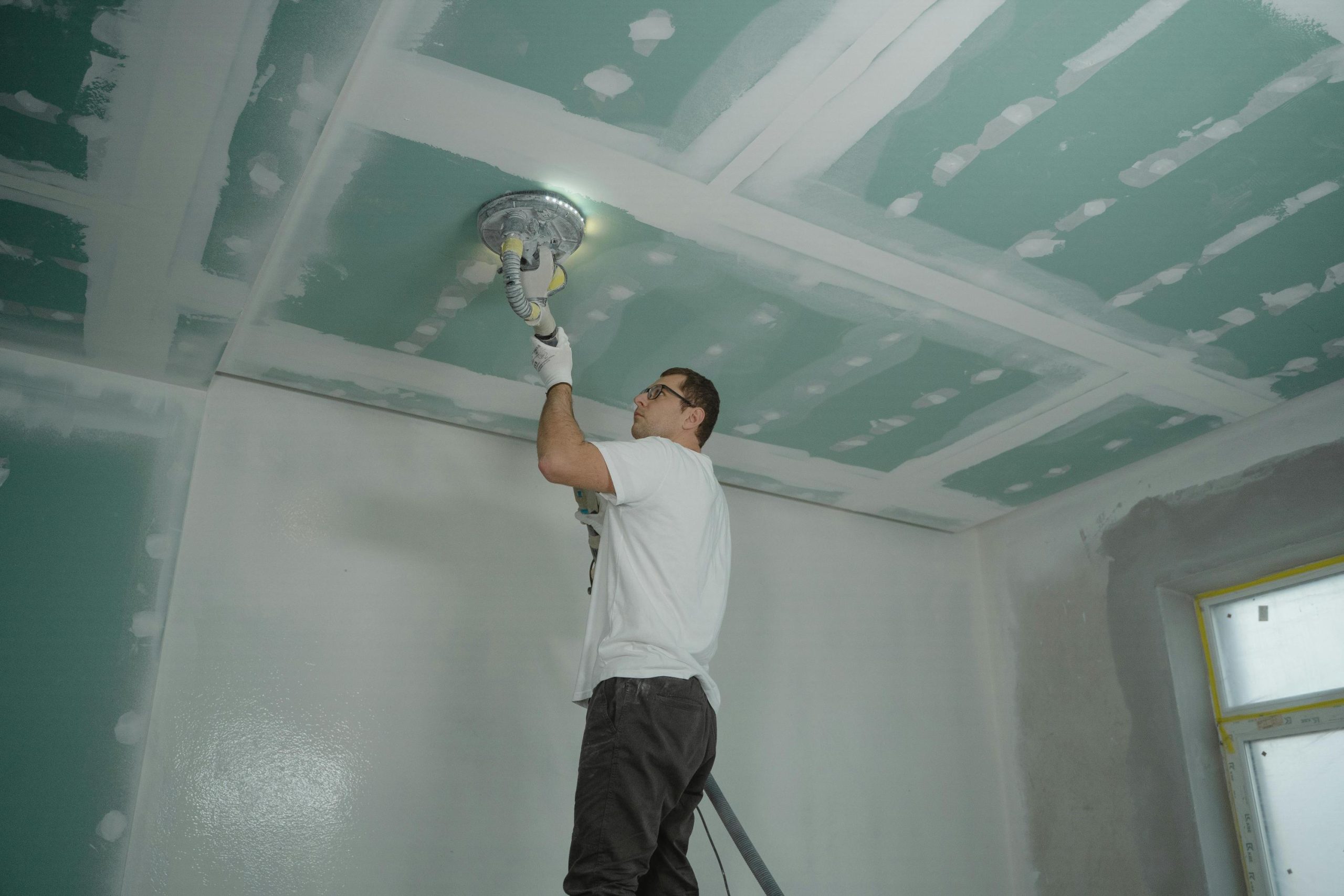
If you notice cracks, dents, or soft spots, it’s worth addressing them sooner rather than later. A drywall contractor can repair damage and reinforce weak areas, preventing small issues from becoming larger structural concerns.
Beyond repairs, think about materials. Washable paints, rounded corners, and durable finishes can make a big difference in high-traffic areas. Hallways, playrooms, and stairwells benefit most from these upgrades.
It’s also worth considering how your walls function visually. Bright, calming colors can make a space feel more inviting, while overly dark or busy patterns may feel overwhelming to younger children. Simple design choices can subtly influence how comfortable a space feels.
There’s also a psychological aspect to consider. A well-maintained home feels calmer and more predictable. Kids are less likely to encounter unexpected hazards, and parents can relax knowing the environment is built to handle daily life.
Design Comfortable, Kid-Friendly Living Spaces
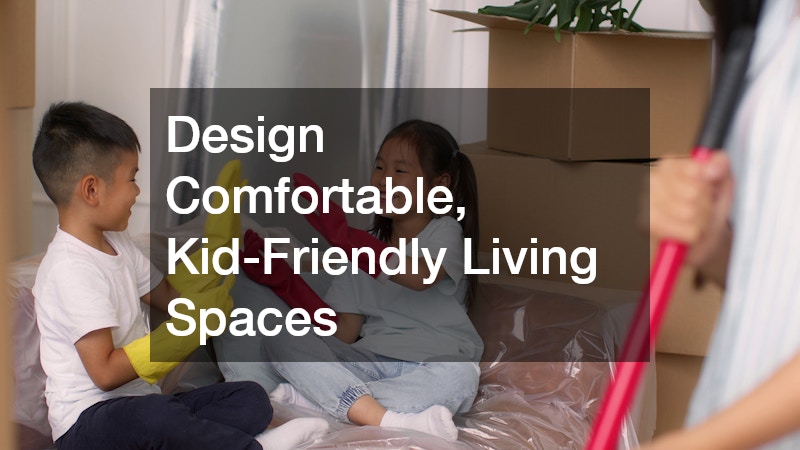
Safety is essential, but comfort is what makes a house feel like home. Kids need spaces where they can relax, play, and express themselves without constant restriction.
Start by observing how your children use each room. Do they gravitate toward certain corners? Do they avoid others? These patterns can reveal what’s working—and what isn’t. Sometimes, a simple shift in layout can completely change how a space is used.
Furniture plays a big role. Choose pieces that are sturdy, appropriately sized, and free of sharp edges. Soft textures and flexible layouts encourage movement and creativity, making it easier for kids to engage with their environment.
Lighting is another key factor. Natural light supports mood and focus, while warm artificial lighting creates a cozy atmosphere in the evening. Layering different types of lighting—overhead, task, and ambient—can make a space feel both functional and inviting.
Adding personal touches—like artwork, books, or favorite toys—can help children feel a sense of ownership over their space. This emotional connection often encourages them to take better care of their surroundings.
Ultimately, comfort comes from balance. A room should feel open enough to explore, yet structured enough to provide a sense of security.
Create Cleaning Routines That Support Family Health
A clean home doesn’t happen by accident—it’s the result of consistent, manageable routines. The goal isn’t perfection; it’s creating an environment that supports health without becoming overwhelming.
Think in layers rather than rigid schedules. Daily tasks might include wiping surfaces and tidying toys, while weekly efforts focus on deeper cleaning. Monthly routines can address areas like baseboards, vents, and storage spaces.
Involving children can make a surprising difference. Even young kids can help with simple tasks, turning cleaning into a shared responsibility rather than a chore imposed from above. Over time, this builds habits that stick.
Consider the products you use as well. Non-toxic cleaners reduce exposure to harsh chemicals, making your home safer for everyone. You might also designate specific storage areas for cleaning supplies to keep them out of reach.
Consistency is more important than intensity. A little effort each day keeps your home manageable and prevents tasks from piling up into something overwhelming. Over time, these small routines become second nature.
Plan for Growth and Changing Needs
Children don’t stay the same for long, and your home shouldn’t either. What works for a toddler may not suit a school-aged child, and teenagers bring an entirely new set of needs.
Flexibility is key. Look for furniture and storage solutions that can adapt over time. A crib becomes a bed, a playroom becomes a study area, and shared spaces evolve to accommodate different activities.
Safety considerations shift as well. Baby gates may give way to privacy locks, and toy storage might transition into organized shelving for books and hobbies. Each stage requires a slightly different approach.
It can also help to anticipate transitions before they happen. For example, setting up a quiet homework space early can make the shift to school routines smoother. Similarly, creating designated areas for hobbies can encourage independence and focus.
Planning ahead doesn’t mean predicting everything—it means leaving room for change. A home that can evolve alongside your family will always feel more supportive and less restrictive.
Build a Support Network of Trusted Home Professionals

No one manages a home entirely on their own. Over time, you’ll likely rely on a range of professionals to maintain and improve your space.
Finding the right people takes effort, but it’s worth it. Ask for recommendations, read reviews, and take the time to understand how each professional approaches their work. Trust is built through consistency and communication.
Keep a record of services, repairs, and upgrades. This not only helps you stay organized but also ensures that nothing falls through the cracks. Regular maintenance often prevents larger, more expensive problems down the line.
It’s also helpful to build long-term relationships with professionals you trust. When someone is familiar with your home, they can spot issues more quickly and provide more tailored advice.
Equally important is knowing when to call for help. While some tasks are perfect for DIY, others require expertise. Recognizing the difference keeps your home safer and your stress levels lower.
Bringing It All Together
A safe and comfortable home isn’t created in a single project—it’s built over time, through thoughtful decisions and steady care. Each improvement, no matter how small, contributes to an environment where children can grow with confidence.
There will always be more you could do, more you could fix, more you could refine. But what matters most is progress. By paying attention, staying flexible, and focusing on what your family truly needs, you create a space that supports not just safety but a sense of belonging.
And in the end, that’s what makes a house feel like home.