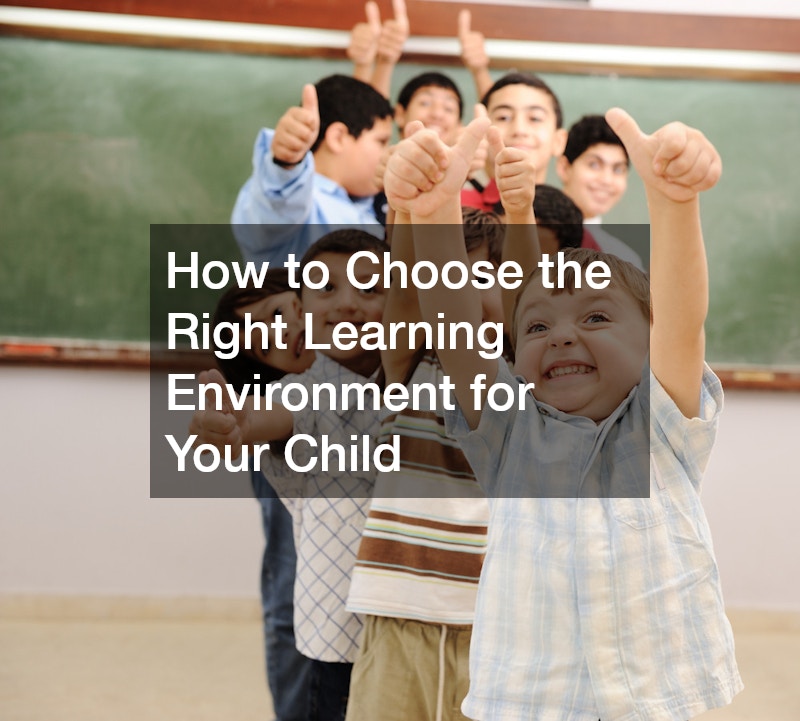
Childhood is a vibrant tapestry woven from discovery, curiosity, and play. When parents think about education, their minds often jump straight to traditional classroom settings: rows of desks, textbooks, blackboards, and structured tests. However, a child’s true educational journey extends far beyond the four walls of a schoolhouse. Long before children encounter formal academic subjects, they learn about the world through movement, physical challenges, artistic expression, and interactive play. Recreation is not merely a break from intellectual work; it is an essential engine of cognitive, emotional, social, and physical development that works hand in hand with formal schooling.
Understanding how leisure pursuits and academic growth intertwine enables families to create a richer, more balanced environment at home and within their communities. Active play releases neurotransmitters that sharpen attention, boost memory, and enhance problem-solving capacities. Simultaneously, non-academic group activities foster interpersonal skills, resilience, and emotional maturity that cannot easily be taught through lectures alone. By intentionally pairing recreational interests with educational goals, parents can nurture well-rounded, enthusiastic learners who view the world as a continuous opportunity for discovery.
Building Physical Literacy and Cognitive Focus
Physical activity does far more than burn off extra energy after a long day sitting at a desk. Regular physical engagement directly stimulates brain structure and function, stimulating the growth of neural pathways that enhance concentration, information retention, and executive functioning. When children participate in structured team sports, they learn complex spatial reasoning, rapid decision-making, and emotional self-regulation under pressure. Joining local youth hockey teams, for example, helps young athletes develop exceptional hand-eye coordination, strategic teamwork skills, and spatial awareness while keeping them physically active during cold weather months. These physical dynamic exercises translate into improved focus when kids sit down to tackle challenging homework assignments.
Outside of team sports, individual winter and summer sports push children to overcome physical hurdles, building internal motivation and problem-solving confidence. When a child learns to navigate snowy slopes on a snowboard, they are secretly practicing real-world physics, balance, and persistence through repetitive effort. This mastery of a physical skill demonstrates to a child that perseverance turns initial failure into satisfying accomplishment, a growth mindset that directly benefits their approach to complex mathematics or reading comprehension tasks.
Designing an Active Family Routine
To translate physical play into better classroom focus, consider implementing these simple structural habits into your family’s weekly schedule:
- Establish a brief period of energetic physical play immediately after school to help clear mental fatigue before starting homework.
- Encourage your child to track their personal physical goals in a fun journal, connecting self-reflection with physical progress.
- Mix organized team sports with unstructured outdoor exploration to balance disciplined teamwork with creative freedom.
- Use weekend sports trips as opportunities to discuss geography, local history, and nutritional science with your children.
Maintaining Safe and Clean Play Environments
Physical activities often require specialized equipment, facilities, and environments that require meticulous upkeep to ensure young learners stay safe and healthy. Aquatic play, for instance, provides unmatched sensory input and motor skill development, but requires pure water conditions to protect children from illness or irritation. Relying on reliable swimming pool services ensures that home or community aquatic areas remain properly balanced and hygienic, allowing kids to enjoy non-impact exercise and water safety lessons without interruption. Clean, well-maintained environments demonstrate to children that their physical safety and health are valued priorities.
In the same way that clean pools foster safe play, maintaining a clean home environment creates an optimal background for both physical recreation and focused home study. Utilizing professional cleaning services allows busy families to eliminate household clutter and indoor allergens, freeing up valuable family time while creating organized spaces dedicated to learning and active indoor play. A tidy home environment significantly lowers stress levels, helping children transition smoothly from chaotic playtime to quiet reading hours.
Early Childhood Foundations and Play-Based Learning
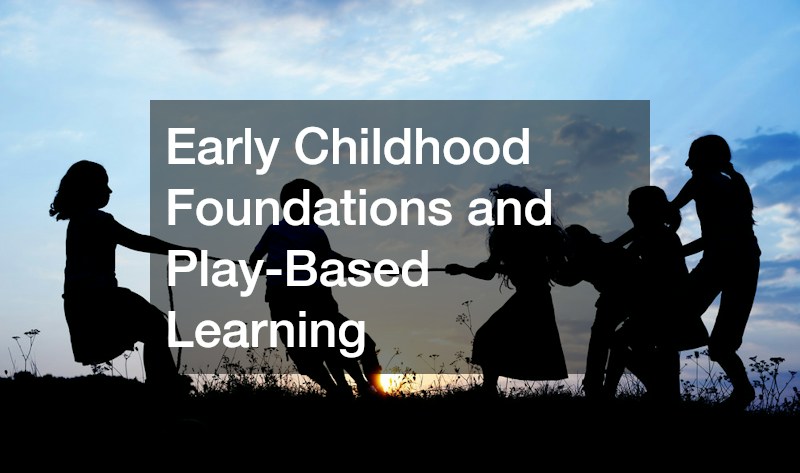
The earliest years of a human life represent a window of rapid neurological development where play and formal instruction are virtually indistinguishable. Young children learn basic physics through building blocks, language structure through nursery rhymes, and social dynamics through shared games. Enrolling a child in an early childhood private preschool offers a carefully curated environment where unstructured discovery is guided by trained educators who understand how to transform curiosity into core foundational skills. In these settings, children develop social confidence, foundational literacy, and Fine motor control long before entering kindergarten.
For working parents, high-quality childcare facilities provide an essential blend of emotional support, safety, and constructive stimulation. Modern daycares do not simply supervise children; they design structured group activities that encourage early language adoption, sensory exploration, and cooperation. Through guided circle times, art projects, and outdoor playground sessions, toddlers learn how to share resources, process emotions, and listen to multi-step directions in a group environment.
Selecting the Right Early Learning Environment
Finding an early childhood setting that honors the synergy between recreation and education requires looking closely at daily routines:
- Look for programs that dedicate ample time each day to outdoor, child-led play rather than rigid, desk-bound tasks.
- Ask potential providers how they incorporate art, music, and dramatic play into their foundational academic curriculum.
- Observe whether teachers actively join in play to ask open-ended questions that stimulate problem-solving thinking.
- Ensure the facility maintains high safety and hygiene standards while offering diverse sensory materials like sand, water, and clay.
Maximizing Learning Potential in Early Education
As children grow beyond toddlerhood, structured early learning programs continue to bridge the gap between pure recreational enjoyment and early academic readiness. These specialized programs blend phonics, basic numeracy, and scientific exploration into interactive games, storybook dramatics, and tactile art projects. By framing lessons as playful challenges, educators prevent early learning fatigue and instil a lifelong enthusiasm for seeking out new knowledge.
Parents seeking tailored care for young children can explore distinct local preschool services that emphasize community engagement, creative expression, and outdoor discovery. Local options often utilize regional parks, nature centers, and community resources to give children a rich, place-based learning experience. When early instruction is rooted in community exploration and interactive games, young minds build strong conceptual bridges between abstract principles and the concrete world around them.
Bridging Middle School Transition Through Diverse Interests

The transition into adolescence represents a pivotal phase where academic expectations rise significantly while personal identity and social dynamics become increasingly complex. During these formative adolescent years, extra-curricular activities act as a critical stabilizing force, offering young people safe spaces to explore their personal interests, establish unique identities, and relieve academic stress. A comprehensive private academic program often integrates physical education, arts, and community service directly into its core academic framework, ensuring that students do not have to sacrifice personal passions for rigorous test preparation.
Middle school students in particular undergo rapid physical, emotional, and cognitive transformations that require a holistic educational strategy. Top-tier private middle schools recognize that textbook instruction must be balanced with robust athletic programs, creative arts workshops, and outdoor leadership trips. When pre-teens participate in group recreation alongside their academic coursework, they develop strong bonds with peers, build emotional resilience, and learn to manage their time effectively between active hobbies and study schedules.
Supporting Adolescent Balance and Independence
Parents can help middle schoolers maintain a healthy balance between increasing academic demands and essential recreational breaks by taking these proactive steps:
- Encourage your pre-teen to select at least one physical hobby and one creative outlet to pursue each semester.
- Teach simple time-management strategies, such as using weekly planners to block out time for study, team practice, and rest.
- Have open discussions about stress management, highlighting how physical activity helps clear mind clutter before major exams.
- Support your child’s interest in niche hobbies or sports, even if those activities fall outside traditional school offerings.
Fostering Life Skills Through Diverse Pursuits
The non-academic interests kids cultivate during their adolescent years frequently yield essential life skills that carry over into adulthood. Whether learning the discipline required to master a musical instrument, the grit needed to compete in winter sports, or the organizational skills necessary to lead a student club, recreational pursuits teach perseverance. Children learn that mastery requires patience, deliberate practice, and the willingness to learn from occasional failures, insights that make academic challenges far less intimidating.
Furthermore, participating in recreational activities outside the home exposes adolescents to diverse adult mentors, including coaches, instructors, and community leaders. These positive adult figures reinforce values taught at home and in school, providing extra guidance as young people learn to navigate personal responsibility, sportsmanship, and ethical decision-making.
Harmonizing Academics and Recreation at Home
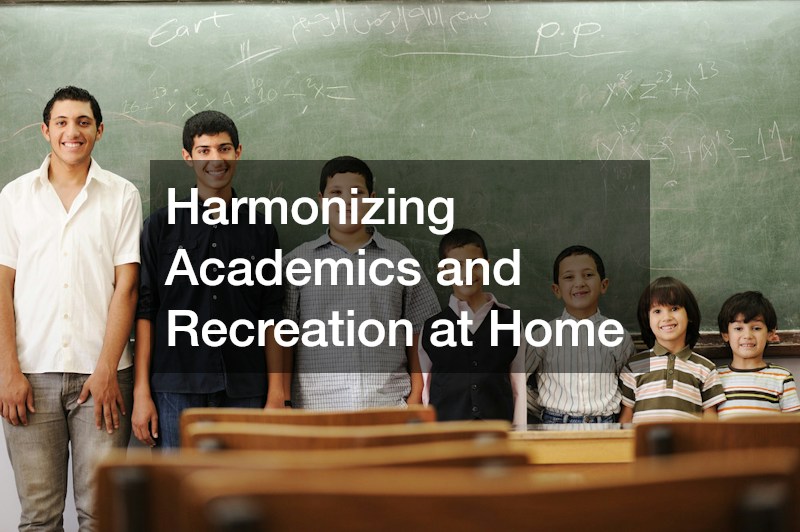
Creating a supportive home environment requires intentional effort from parents to balance structured study time with enriching play. Rather than viewing recreation as a reward reserved only for when all work is finished, families should treat physical play, creative expression, and rest as essential components of a healthy daily routine. When kids know that their day includes time for their favorite active hobbies, they are much more likely to approach their homework sessions with positive energy and sharp mental focus.
Parents can also actively integrate educational elements into everyday household recreation without making it feel like extra schoolwork. Cooking meals together involves math fractions and chemistry principles; nature walks offer hands-on lessons in biology and ecology; and board games develop strategic thinking and financial literacy. By embedding learning into fun family pastimes, parents show that acquiring knowledge is a joyful, lifelong adventure rather than a chore confined to a classroom desk.
Actionable Strategies for Home-Based Enriched Play
To build an environment where learning and recreation thrive side by side, families can implement the following strategies:
- Set aside dedicated screen-free hours every weekend reserved exclusively for outdoor family recreation or creative hobbies.
- Turn family trips into interactive discovery sessions by researching local history, geography, and wildlife before arriving.
- Maintain a dedicated creative corner at home stocked with art supplies, building blocks, and science experiment kits.
- Celebrate personal growth and effort in recreational pursuits with the same enthusiasm given to academic report cards.
The Role of Community and Shared Spaces
Community resources play a massive role in making recreational education accessible to every family. Public parks, community centers, sports leagues, and public libraries offer endless opportunities for children to learn new skills, move their bodies, and interact with diverse peers. Taking full advantage of these shared spaces helps broaden a child’s horizons, teaching them civic responsibility and community pride while keeping them mentally and physically engaged.
When families actively participate in local sports teams, summer camps, and community workshops, they build strong support networks with other parents and educators. This shared commitment to child development creates an environment where children feel secure, supported, and encouraged to explore their full potential both inside and outside the classroom.
Strengthening Social Bonds and Emotional Intelligence Through Play
Beyond the cognitive and physical benefits, the intersection of play and education serves as a fertile ground for developing emotional intelligence. When children engage in unstructured or semi-structured activities with peers, they are continuously navigating the subtle nuances of human interaction. They learn how to read body language, negotiate rules, share leadership roles, and resolve disputes without adult intervention. These social trial-and-error moments are instrumental in building empathy and self-awareness, character traits that directly influence classroom behavior and collaborative academic projects.
In collaborative environments, children also learn the value of constructive feedback and collective problem-solving. Whether they are coordinating a complex play in a team sport, rehearsing a scene in a community theater production, or building a group science project, they discover that individual effort contributes to a shared goal. This understanding softens the fear of failure, encouraging kids to treat mistakes not as personal shortcomings, but as valuable feedback loops essential to learning.
Practical Ways to Build Emotional Resilience at Home
Parents can actively nurture emotional growth by incorporating simple, reflective practices around everyday recreational activities:
- Encourage post-game discussions that focus on effort, teamwork, and personal improvement rather than winning or losing.
- Use cooperative board games or team challenges at home to practice graceful winning and constructive losing.
- Prompt children to express how they feel after physical activity versus long periods of screen time to build body awareness.
- Validate feelings of frustration during difficult skill-building activities, reminding them that struggle precedes mastery.
By intentionally linking emotional processing with physical and social recreation, families create a complete educational loop. Children emerge not only intellectually capable, but socially adept and emotionally resilient—traits that serve as the ultimate bedrock for lifelong success.
The Lasting Impact of Integrated Learning
When recreation and education are thoughtfully integrated, children develop into well-rounded, resilient, and curious individuals equipped to navigate the complexities of life. Active play builds physical health, sharpens intellectual focus, and teaches social-emotional skills that traditional classroom settings cannot replicate on their own. By valuing non-academic pursuits alongside school achievement, parents foster a healthy mindset toward personal growth and lifelong learning.
As your family navigates the journey of raising healthy, educated children, remember that play is not a distraction from learning; it is one of its most powerful forms. Supporting your child’s physical activities, creative passions, and social recreation provides them with the emotional stability and cognitive foundation needed to excel academically and thrive personally for years to come.